As kids, we left the movies with a tale told and an ending reached. Maybe you didn’t like the way it turned out. You wished the hero had found the buried treasure. Or that loveable mutt, Old Yeller, hadn’t died. Sorry, that’s just the way it went.
But today it is common for video movies to offer an alternate ending. If you don’t like how one version turns out, you can explore another.
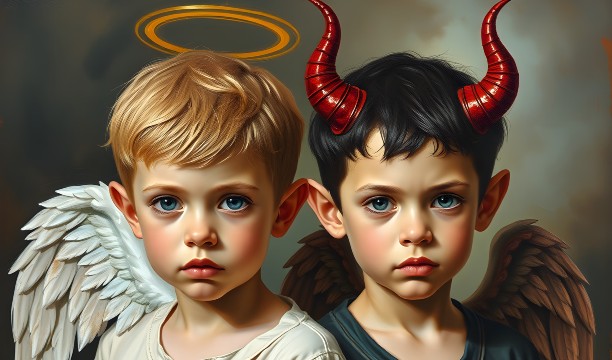
Jesus Himself offered alternate endings when He spoke of such things as two builders, two gates, two roads, two trees, and two foundations. The Bible is deeply concerned with endings. Indeed, every life is currently winding down, and we need to consider our destination.
Revelation 15 opens with one of them: “Then I saw another sign in heaven, great and amazing, seven angels with seven plagues, which are the last, for with them the wrath of God is finished.”
The word “finished” ought to get our attention. The God whom we think should show this world endless grandfatherly indulgence moves here to show His wrath on the earth. The patience that seemed so abundant for so long is at an end. He at long last answers human defiance on the ground:
“Then I heard a loud voice from the temple telling the seven angels, ‘Go and pour out on the earth the seven bowls of the wrath of God’” (16:1)
And so the wrath continues through hideous sores, bloody seas and rivers, scorching heat, and darkness until it terminates in Armageddon (c.f. 16:16-21; 19:11-21). Yet there is still the issue of ultimate justice–a further judgment upon all mankind, upon all people in all times. There, the great white throne of judgment appears, and a lake of fire, where death, hades, and all whose names are not found written in the Book of Life are cast (20:11-15).
At that point, every wrong, every injustice, and perversion on earth and in the history of the world will have been judged and condemned.
The end.
Unless you’d prefer a different one, the one the Gospel of John shows us.
There, Jesus hangs on a cross. His body has been beaten. His hands and feet have been nailed to the wood. Darkness has covered the land. He has borne abandonment, shame, suffering, darkness, and pain. Knowing all things had been accomplished, Jesus cried:
“It is finished” (19:28).
Then He bowed His head and gave up His spirit.
The end.
That is, the alternate end.
One end occurs with wrath upon the sinful world and the sinners in it. The other with wrath upon the sinless Christ who takes the place of those sinners. With one of them, you pay, you suffer, you die. With the other, Christ does it for you.
Every person must encounter the wrath of God in one of two places: either in the person of Christ at the cross or in personal judgment apart from Him.
The bowls of wrath are coming, the books will be opened, and the lake of fire will appear and receive all who remain in rebellion against God. But, thank God, Jesus has drunk the cup of it all. For those who put their faith in Him, wrath has already been poured out, as the hymn says,
Death and the curse were in our cup,
O Christ, ’twas full for Thee!
But Thou hast drained the last dark drop—
’Tis empty now for me.
That bitter cup—love drank it up;
Now blessings’ draught for me. ¹
Which ending would you prefer?
1 Anne Ross Cousins (O Christ, What Burdens Bow’d Thy Head, 1875)